Rebuilding After Storm or Water Damage, and Your Insurance Claim
Cleanup stops the damage. Build-back puts the building right. Knowing the difference, and how the claim fits in, makes the whole process calmer.
October 6, 2026 · 4 min read
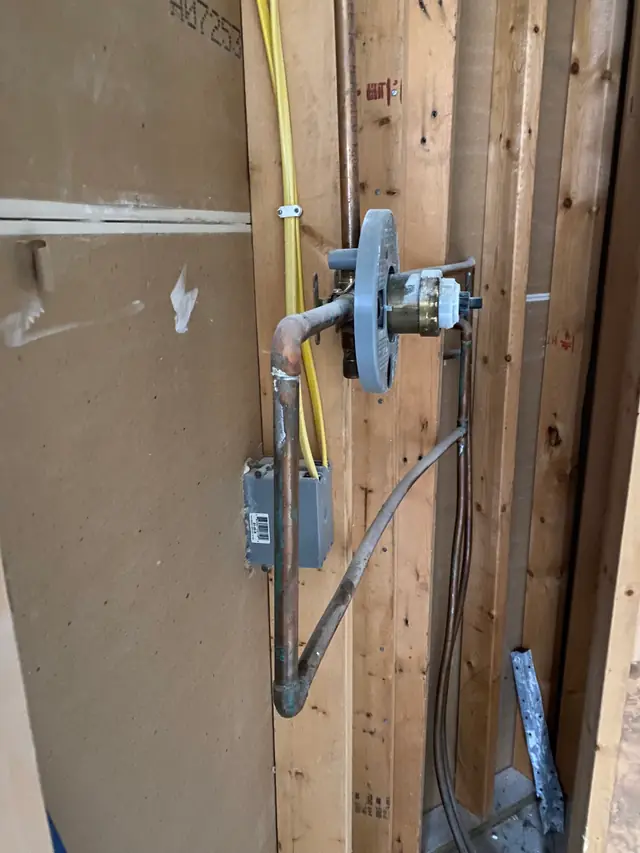
The first days after a fire, flood, burst pipe, or storm are a blur. Water is on the floor, the power may be off, and you are making phone calls to an insurance company while trying to keep your family or your business running. One thing that helps is understanding that recovery happens in two very different stages, and that they are often handled by different crews.
Cleanup first, rebuild second
The first stage is mitigation. It means stopping the damage from getting worse: shutting off water, removing standing water, tarping a damaged roof, boarding openings, drying out the structure, and removing materials that cannot be saved, such as soaked drywall and insulation. Mitigation companies do this work, and speed matters, because wet materials left in place invite mold.
The second stage is build-back, often called putback in the insurance world. This is the reconstruction: framing, insulation, drywall, texture, paint, flooring, cabinetry, trim, siding, and whatever else was removed or destroyed. It is slower and more detailed, and it is where the finished look of your home or building gets decided. The two stages need a clean handoff. A contractor starting the rebuild needs to know what was removed, what was dried, and whether the structure is truly dry before walls are closed up again.
Why the rebuild should line up with the approved claim
Your insurance company approves a claim with a scope of work, a list of what will be repaired or replaced and what the payment covers. The rebuild should follow that scope. If the work falls short of it, you may be shortchanged. If the work goes beyond it, the extra can land on you unless the insurer agrees to a change first. A contractor who knows how to read a scope can tell you plainly where the two match and where they do not.
Hidden damage is the common wrinkle. Once a wall is open, a contractor may find rot, damaged framing, or wiring that the adjuster could not see. When that happens, the right move is to document it and let the insurance company review it before the repair, not after. Insurers usually handle this through a supplement to the original claim, and it goes faster when the photos and notes are good.
One homeowner who worked with Trade Pro after tornado damage described the process this way, in a testimonial posted on Trade Pro Construction's Instagram: "TradePro came to help us promptly after the tornado damage to our home. They started as quickly as the insurance company would allow and got our repairs done quickly. Mark Mason did a great job of managing the repairs and making sure we got good results." The line about starting as quickly as the insurance company would allow is the realistic part. The claim sets the pace, and a good contractor works within it.
What to document
Good records make every later step easier. Start while things are fresh, and keep everything in one folder, paper or digital:
- Photos and video of every damaged area before anything is moved or thrown away, both wide shots and close-ups
- A written list of damaged belongings and building materials
- The date and time of the event, and when you reported it
- Names and phone numbers of everyone you talk to at the insurance company, with a note of what was said
- Receipts for emergency repairs and temporary housing
- Copies of every estimate, scope of work, and written approval
Where it is reasonable, keep damaged materials until the adjuster has seen them, and ask before you discard anything large. If a pipe failed, a roof leaked, or a window let water in, photograph the source as well as the damage it caused.
What to ask a contractor
- Have you worked from an insurance scope before, and will you build to it line by line?
- How will hidden damage be found, documented, and handed to the insurer?
- Who will manage the job day to day, and how will I be kept up to date?
- Which trades will you bring in, and who coordinates them?
- How do you handle changes the insurance company has not yet approved?
The coordination question deserves extra weight. A rebuild often needs framers, drywall and texture crews, painters, flooring installers, and sometimes roofers and plumbers, all working in the right order. Another customer testimonial on Trade Pro's website praises a contractor who assembled the team needed and "kept us updated and informed every step of the way." That is what to look for: someone who owns the schedule, not just the hammer.
Trade Pro Construction offers fire and water damage restoration build-back and interior insurance claim putback in Northwest Arkansas. Call (479) 309-8111 or request an estimate, and we will review it with you in person.
Trade Pro Construction, (479) 309-8111
Call (479) 309-8111More articles
Top 5 Home Remodeling Trends In Fayetteville For 2024
The five trends homeowners were asking about in 2024, rewritten in plain language, with an honest note on which ones still hold up.
What a Tenant Finish-Out Involves
You have the lease and an empty space. Here is what stands between you and opening day, and who has to work together to get there.